
Download the map here
Rotherhithe, originally called Redriff from C13 and frequently mentioned by the C17 diarist Samuel Pepys, came from the Anglo Saxon for a haven where cattle were landed. It was closely connected to Bermondsey Abbey, as well as having ancient river crossing points associated with shipbuilding and supporting trades (from C17 and probably from the middle ages), and seafaring is recorded in church memorials and gravestones.
Rotherhithe Street housed ship builders, seafarers, doss houses, taverns and had bridges between buildings (some remain near 23 and 27 on map) for cargo movement. At various places were Waterman’s stairs (eg 25), named after an adjacent hostelry or historic landmark where a waterman and his wherry could be hailed. Rotherhithe was the first place (C17) to have docks for the convenience of London, from C19 it was the centre of London’s timber trade. The Grand Surrey Canal (1807- 1970) was planned to Portsmouth via Surrey, but actually only reached Walworth Road and Peckham. It was linked to the Croydon Canal (1809-1835) and widened to build Stave and Russia docks.
1870 – 1939
New docks constrained the space available for shipbuilding and the introduction of iron ships ended production in 1870 with the launch of Lothair, but repair, breakers and salvage continued to 1914. One of the most famous to be broken up was the Temeraire; its towed passage up the Thames from Sheerness to Beatson’s yard in 1838 was recorded by the C18 artist JMW Turner & now displayed in the National Gallery. By the second world war, 85% of the Rotherhithe peninsula (460 acres) was docks and timber ponds. Timber came from Scandinavia and the Baltic and foodstuffs from Canada.
1945 – 2000
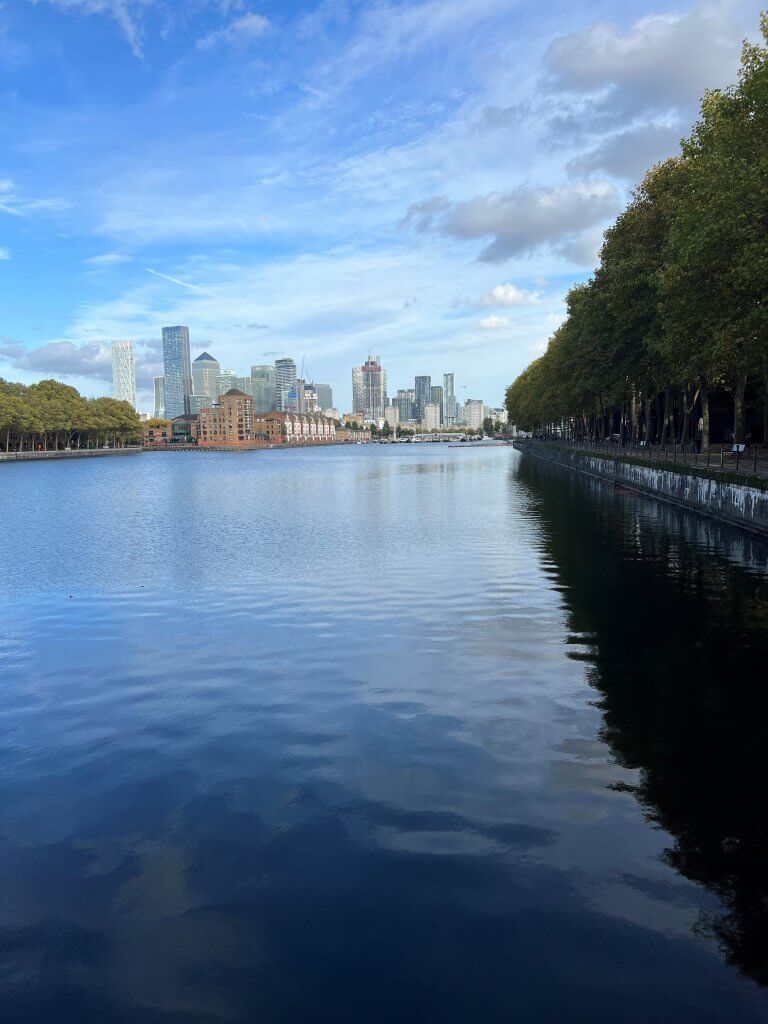
The docks were mostly destroyed during the first blitz of WWII, and only Nelson Dock shipyard remained. Shipyards became timber yards/ship salvage or granaries (incorporating ships’ timbers). When the last ship left in 1970, draining and filling in, begun during the war, continued and the area underwent major redevelopment as conversions and new buildings became apartments. Around 90% of the docks were in filled in the early 1980s and almost 10,000 homes built along with Surrey Quays Shopping Centre, Mast leisure park and commercial units.
2000 – Present
The opening of the Jubilee Line in 2000 and the London Overground in 2011 have provided excellent transport links. Canada Water basin is at the heart of a major town centre regeneration programme.
The Manor of Rotherhithe was recorded in Norman times as part of the royal demesne. One of the most famous Lords of The Manor was Sir William Gomm (1784-1875) who, with his second wife Lady Elizabeth, gave generous aid to the charities, schools, and churches of Rotherhithe. Elizabeth survived her husband by two years and bequeathed the estate to her niece Emily Blanche Carr-Gomm who continued the family tradition of charitable service. The Thames Path National Trail, a 3½ mile stretch of the 184 miles from the Cotswolds to the Thames Barrier, traces much of Rotherhithe’s history.